
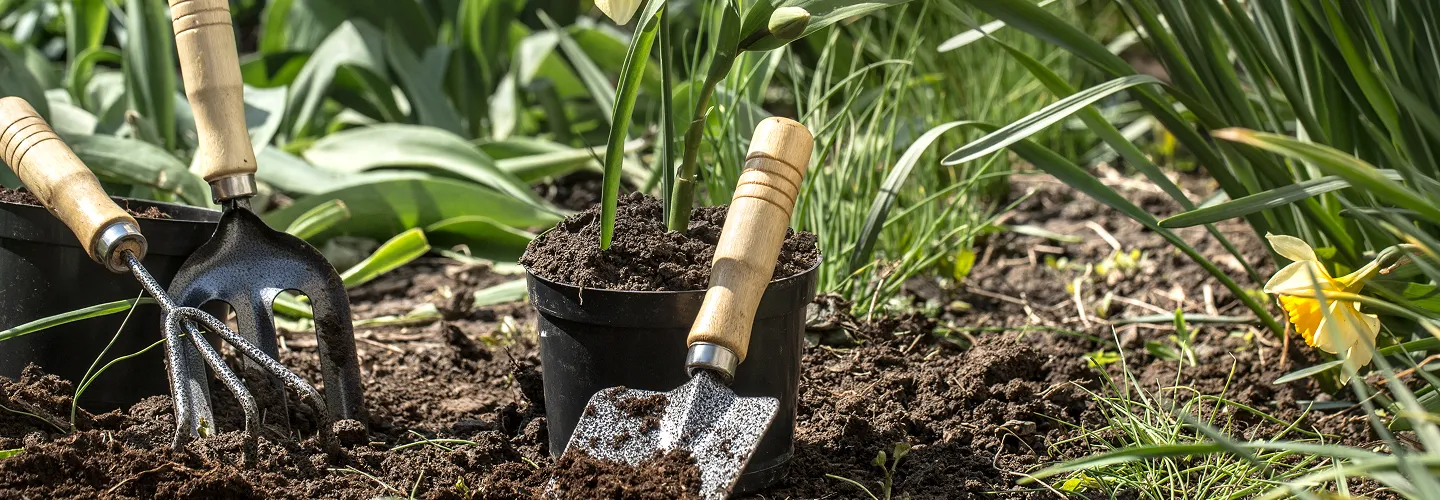
Smyrna Flower Bed Maintenance Services
Choose our expert flower bed maintenance for lush, healthy blooms and a beautifully manicured landscape—reliable care that saves you time and keeps your garden thriving.
Get a Free QuoteOur Smyrna Landscaping & Yard Care Services
When to Schedule Flower Bed Maintenance in Smyrna, Georgia – Seasonal Guide
In Smyrna, Georgia, the best times for flower bed maintenance are closely tied to our region’s unique climate and landscape. Early spring, just after the last frost date, is ideal for cleaning beds, refreshing mulch, and planting annuals, while late fall is perfect for preparing perennials and bulbs for winter. With Smyrna’s humid summers and occasional droughts, timing your maintenance ensures your beds thrive throughout the year. Neighborhoods like Vinings Estates and around the Silver Comet Trail often experience microclimates due to shade from mature trees and varying soil types, making it important to tailor your schedule to your specific location.
Local environmental factors such as heavy clay soils, fluctuating humidity, and the risk of late spring frosts can impact when and how you maintain your flower beds. For example, areas near Jonquil Park may see more shade and moisture retention, while homes closer to the Market Village might contend with more sun exposure. For more information on local climate patterns and gardening resources, visit the official city website.
Local Factors to Consider for Flower Bed Maintenance in Smyrna
- Tree density and shade coverage in your yard
- Soil composition (clay, loam, or sandy soils)
- Average precipitation and drought risk
- Proximity to landmarks like Silver Comet Trail or Jonquil Park
- Municipal restrictions on watering or landscaping
- Terrain and drainage patterns
Benefits of Flower Bed Maintenance in Smyrna
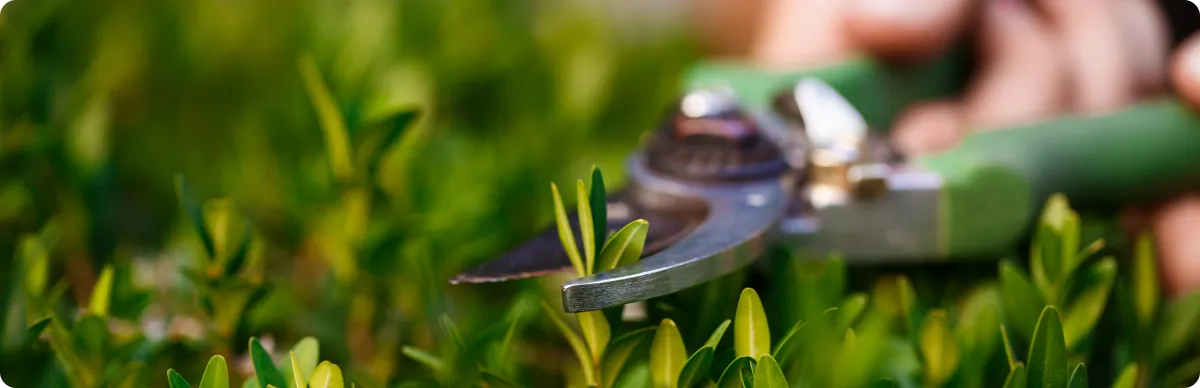
Enhanced Curb Appeal
Weed and Pest Prevention
Healthier Plant Growth
Seasonal Color Management
Professional Landscape Expertise
Time and Effort Savings
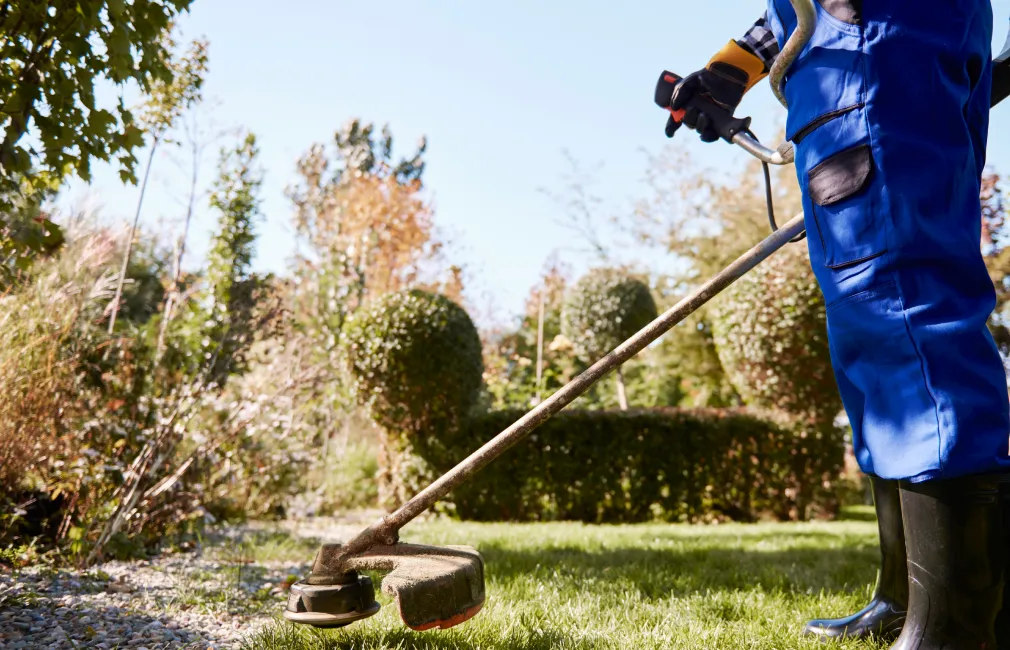
Smyrna Flower Bed Maintenance Types

Seasonal Flower Planting
-
Weed Control Services
-
Mulch Installation
-
Soil Amendment
-
Edging and Trimming
-
Fertilization Programs
-
Pest and Disease Management
Our Flower Bed Maintenance Process
Site Evaluation
Weed Removal
Soil Preparation
Plant Care
Mulching
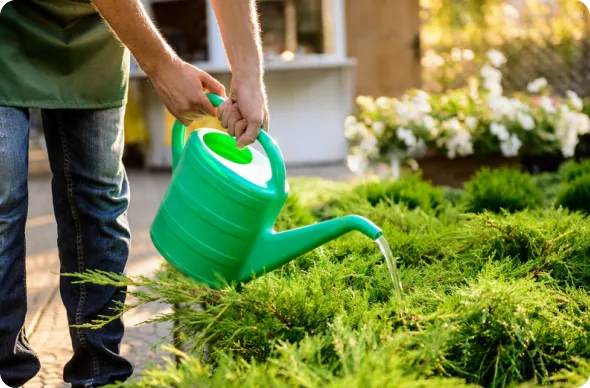
Why Choose Smyrna Landscape Services
-
Smyrna Homeowners Trust Us
-
Expert Lawn Maintenance
-
Reliable Scheduling
-
Competitive Pricing
-
Professional Team
-
Satisfaction Guarantee
-
Personalized Service
Smyrna's Cecil Clay Soils and Drainage Challenges for Flower Bed Establishment
Smyrna sits within Georgia's Piedmont region, where the predominant soil series is Cecil clay loam — a dense, red Ultisol with naturally low permeability and a tendency toward compaction under foot and equipment traffic. According to the USDA Web Soil Survey, Cecil soils in Cobb County typically have a pH ranging from 4.5 to 5.5, which is moderately to strongly acidic. For flower bed maintenance, this means:
- Soil amendments such as lime may be required to raise pH before planting or seasonal replanting
- Organic matter incorporation (compost, aged bark) improves drainage and aeration in compacted clay beds
- Raised or mounded bed profiles help prevent standing water around root zones during Smyrna's summer rainfall events
- Avoid tilling wet clay, which destroys soil structure and increases compaction
Smyrna falls within USDA Hardiness Zone 7b, with average minimum winter temperatures between 5°F and 10°F. Soil temperature in spring typically reaches the 60°F threshold for warm-season planting by mid-April, based on UGA Cooperative Extension guidance for the Metro Atlanta region.
Seasonal Planting and Bed Refresh Timing for Smyrna's Growing Conditions
Smyrna's climate, characterized by hot and humid summers, mild winters, and a long frost-free growing season, creates distinct windows for flower bed maintenance activities. The National Weather Service Atlanta forecast office identifies the average last frost date for the Smyrna area as approximately mid-March, with the first fall frost typically occurring in mid-November. Practical timing guidance for bed maintenance includes:
- Early spring (mid-March to April): Remove winter annuals, edge beds, apply pre-emergent weed control, and install cool-season color such as pansies, snapdragons, and dianthus
- Late spring (May): Transition to warm-season annuals including vinca, pentas, caladiums, and lantana once nighttime temperatures consistently exceed 50°F
- Summer (June–August): Deadhead spent blooms, monitor for fungal issues driven by humidity, and maintain 2–3 inches of mulch to retain soil moisture
- Fall (September–October): Replant with cool-season annuals; cut back summer perennials; apply fresh mulch before first frost
Bed edging should be performed at least twice per growing season to prevent turf encroachment into planting areas, which is a common maintenance issue in Smyrna's established residential neighborhoods.
Protecting Smyrna Stormwater Infrastructure During Flower Bed Maintenance
Smyrna's stormwater drainage network includes numerous inlets, detention ponds, and drainage corridors that connect to Nickajack Creek and its tributaries. Flower bed maintenance activities — including fertilizer application, pesticide use, and mulch displacement — can contribute to runoff that affects these water features. The Georgia EPD Watershed Protection Branch oversees water quality standards applicable to urban runoff throughout the state, and the Clean Water Act establishes federal baseline protections for surface waters.
To minimize runoff impacts during bed maintenance:
- Apply granular fertilizers only when rain is not forecast within 24–48 hours
- Avoid blowing or sweeping mulch, clippings, or soil into street gutters or storm drain inlets
- Use slow-release fertilizer formulations to reduce leaching through Smyrna's clay soils
- Maintain a minimum 10-foot buffer from any visible drainage swale, detention feature, or creek bank when applying liquid pesticides or herbicides
The Smyrna City Engineer oversees stormwater engineering and erosion control for public infrastructure projects, and residents with drainage concerns related to bed grading or runoff from adjacent properties may direct inquiries to that office.
Smyrna City Engineer
2800 King Street, Smyrna, GA 30080
Official Website: Smyrna City Engineer
Keep Smyrna Beautiful and Environmental Compliance for Bed Waste Disposal
Organic debris generated during flower bed maintenance — including pulled weeds, spent annuals, pruned perennial stems, and displaced mulch — must be handled in accordance with Smyrna's municipal waste guidelines. The Keep Smyrna Beautiful & Environmental Services department coordinates environmental stewardship programs, recycling initiatives, and community beautification resources for residents and property managers. Key disposal considerations include:
- Yard waste such as plant trimmings and pulled annuals should be bagged separately from household trash for scheduled yard waste collection
- Invasive plant material — including English ivy (Hedera helix), Chinese privet (Ligustrum sinense), and Japanese honeysuckle — should not be composted on-site, as seeds and root fragments can remain viable; bag and dispose of through municipal collection
- Confirm current collection schedules and container requirements directly with the department, as pickup days may vary by zone
- Mulch and soil amendments purchased in bulk should be stored on-site in a manner that prevents runoff into adjacent drainage features
UGA Extension's Invasive Species resources provide identification guidance for non-native plants commonly found in Smyrna flower beds that require careful removal and disposal protocols.
Keep Smyrna Beautiful & Environmental Services
2800 King Street, Smyrna, GA 30080
Official Website: Keep Smyrna Beautiful & Environmental Services
Georgia Pesticide Licensing Standards for Professional Flower Bed Weed and Pest Control
Flower bed maintenance frequently involves the application of herbicides for weed suppression and pesticides for insect or disease management. In Georgia, any commercial applicator applying restricted-use or general-use pesticides for hire must hold a valid license issued under the Georgia Pesticide Use and Application Act of 1976. Licensing and certification are administered by the Georgia Department of Agriculture – Licensing, Certification and Employee Registration division. Property owners in Smyrna should verify that any professional hired for bed weed control or pest treatment holds a current Georgia pesticide applicator license. Practical compliance steps include:
- Request the applicator's Georgia license number and category before work begins
- Confirm that product labels are followed precisely, as label instructions carry the force of law under federal and state pesticide statutes
- Pre-emergent herbicides applied to flower beds in spring should be timed before soil temperatures reach 55°F at a 2-inch depth to be effective against crabgrass and annual weed seed germination
- Post-emergent selective herbicides should be applied during calm wind conditions to prevent drift onto desirable ornamentals
What Neighborhoods Do We Serve Throughout Smyrna, GA?
Flower bed maintenance needs vary considerably across Smyrna's diverse residential and mixed-use neighborhoods, reflecting differences in lot age, soil conditions, tree canopy, and proximity to drainage features.
- Vinings: Older, wooded lots with significant shade canopy require shade-tolerant bed plants such as caladiums, impatiens, and hostas; root competition from mature hardwoods affects soil moisture and nutrient availability.
- King Springs: Established subdivision with a mix of sun and partial-shade exposures; Cecil clay soils are common, and bed edging along turf borders requires consistent seasonal attention.
- Belmont Hills: Proximity to Nickajack Creek corridor means runoff management during bed maintenance is particularly important; buffer awareness near drainage features is recommended.
- Smyrna Village / Market Village Area: Higher-density mixed-use development with smaller ornamental bed footprints; formal bed presentation standards are common given the area's civic character.
- Jonquil Estates: Mature neighborhood with established perennial plantings; seasonal bed refresh timing should account for existing root systems and shade from large canopy trees.
- Concord Road Corridor: Newer subdivisions with compacted fill soils from recent grading; organic matter amendment is often necessary before establishing productive flower beds.
- Spring Hill: Residential area with varied lot topography; sloped beds may require erosion-resistant groundcovers or mulch anchoring to prevent displacement during heavy summer rainfall events.