
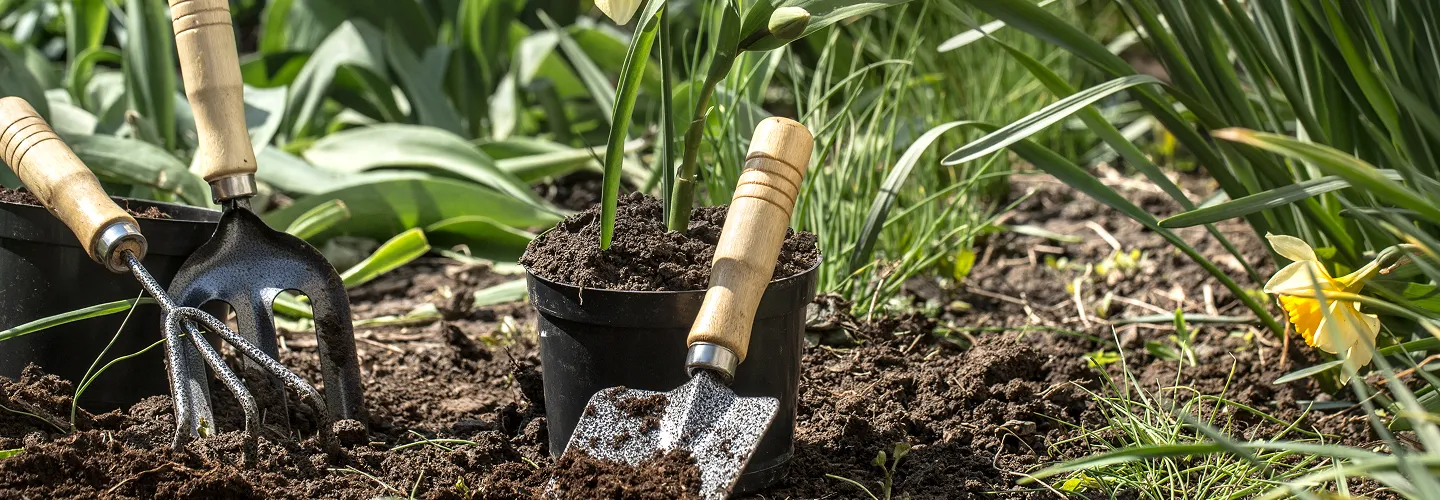
Smyrna Plant Removal Services
Choose our plant removal experts for safe, thorough, and eco-friendly solutions that restore your landscape’s beauty and health—trusted by homeowners across Smyrna for reliable results.
Get a Free QuoteOur Smyrna Landscaping & Yard Care Services
When to Schedule Plant Removal in Smyrna, Georgia – Seasonal Guide
In Smyrna, Georgia, timing your plant removal is crucial for both the health of your landscape and the efficiency of the process. The best periods for plant removal typically fall between late winter and early spring, just before new growth begins. This window allows for easier root extraction and minimizes disruption to surrounding vegetation. Smyrna’s climate, characterized by humid summers and mild winters, means that frost dates—usually ending in early March—play a significant role in scheduling. Removing plants after the last frost but before the onset of high humidity and heat helps prevent soil compaction and reduces the risk of spreading disease.
Local neighborhoods such as Vinings Estates and around the Silver Comet Trail often experience unique microclimates, with varying shade coverage and soil types ranging from clay-heavy to loamy. These factors, along with the city’s periodic drought risks and municipal guidelines, should be considered when planning your project. For more information on local environmental regulations, visit the official resource.
Local Factors to Consider for Plant Removal in Smyrna
- Tree density and proximity to structures
- Terrain slope and soil drainage characteristics
- Seasonal precipitation patterns and drought risk
- Shade coverage from mature trees
- Municipal restrictions or permit requirements
- Proximity to landmarks like Jonquil Park or the Market Village
- Soil type (clay, loam, or sandy soils)
By understanding these local factors, you can ensure your plant removal project is both effective and environmentally responsible.
Benefits of Plant Removal in Smyrna
Expert Landscaping Team
Efficient Plant Removal
Eco-Friendly Disposal
Improved Curb Appeal
Customized Landscaping Solutions
Competitive Local Pricing
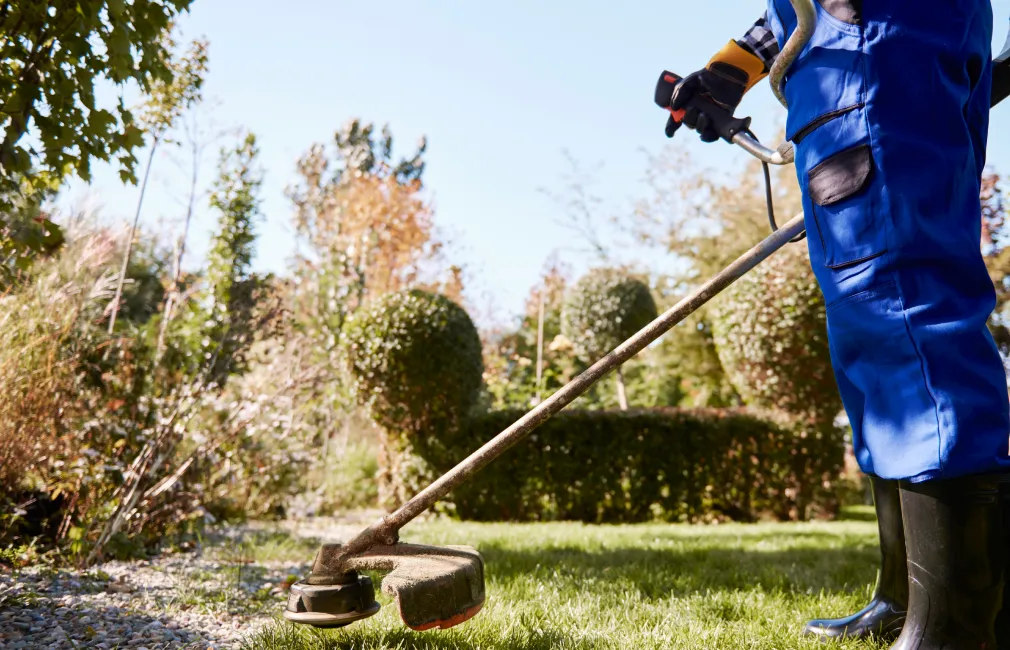
Smyrna Plant Removal Types

Tree Removal
-
Shrub Removal
-
Stump Grinding
-
Invasive Species Removal
-
Root System Extraction
-
Overgrown Vegetation Clearing
-
Hedge Removal
Our Plant Removal Process
Site Evaluation
Preparation and Safety Measures
Plant Extraction
Debris Removal
Site Restoration
Why Choose Smyrna Landscape Services
-
Smyrna Homeowners Trust Us
-
Expert Lawn Maintenance
-
Reliable Scheduling
-
Competitive Pricing
-
Professional Team
-
Satisfaction Guarantee
-
Personalized Service
Smyrna's Arborist Division and Permit Requirements for Plant Removal Projects
Plant removal in Smyrna, GA, is subject to oversight by the Smyrna Arborist Division, which administers tree protection programs and issues removal permits for qualifying vegetation. Property owners undertaking plant removal that involves trees of significant caliper or protected species should confirm permit requirements before work begins. Key considerations include:
- Trees meeting or exceeding locally defined size thresholds may require a removal permit prior to any cutting
- Removal within designated buffer zones, easements, or near public rights-of-way may trigger additional review
- Replacement planting requirements may apply depending on the scope of removal and zoning classification
- Permit applications are processed through the Smyrna Community Development office
Verify current thresholds and application procedures directly with the Arborist Division, as requirements may vary by property type and location within city limits.
Smyrna Arborist Division
166 Sam Sheppard Drive, Smyrna, GA 30080
Official Website: Smyrna Arborist Division
Invasive Plant Removal and Smyrna's Wooded Corridors and Greenway Edges
Smyrna's greenway network, wooded residential corridors, and creek-adjacent lots create conditions where invasive plant species establish aggressively. Species such as English ivy (Hedera helix), kudzu (Pueraria montana), Chinese privet (Ligustrum sinense), and Japanese honeysuckle (Lonicera japonica) are persistent in Cobb County's Piedmont landscape and are documented by UGA Extension's Invasive Species program as significant ecological threats. Effective removal in these settings requires:
- Manual removal of root systems, not just surface cutting, to prevent rapid resprouting
- Staged removal over multiple growing seasons for dense infestations
- Avoidance of soil disturbance near stream banks, which can accelerate erosion on Smyrna's red clay slopes
- Disposal of removed material away from natural areas to prevent reseeding
Property owners near the Silver Comet Trail corridor or Nickajack Creek tributaries should take particular care to prevent disturbed soil from entering drainage channels during removal operations.
Protecting Nickajack Creek and Smyrna Stormwater Infrastructure During Plant Removal
Plant removal activities that disturb soil or expose bare ground near Smyrna's drainage network require careful management to comply with local stormwater standards and the Clean Water Act. The Smyrna City Engineer oversees erosion and sediment control requirements for projects that may affect stormwater conveyance. Nickajack Creek and its tributaries drain significant portions of the city, and exposed soil from plant removal can introduce sediment loads that degrade water quality. Practical compliance steps include:
- Installing silt fencing or erosion barriers at the perimeter of removal areas before work begins
- Avoiding removal work immediately before heavy rainfall events, which are common in Smyrna's humid subtropical climate from April through September
- Stabilizing bare soil with mulch, seed, or erosion blankets within 14 days of plant removal completion
- Keeping removed plant debris away from storm drain inlets and roadside ditches
The Georgia EPD Watershed Protection Branch provides additional guidance on sediment and erosion control standards applicable to land-disturbing activities in Georgia.
Smyrna City Engineer
166 Sam Sheppard Drive, Smyrna, GA 30080
Official Website: Smyrna City Engineer
Red Clay Soil Conditions in Smyrna and Root Extraction Challenges
Smyrna sits within Georgia's Piedmont region and is underlain predominantly by Cecil and Appling soil series — dense, red clay-based Ultisols with low permeability and high compaction potential. According to the USDA Web Soil Survey, these soils present specific challenges for plant removal:
- Root systems of established shrubs and trees bind tightly in compacted clay, requiring mechanical extraction tools or stump grinding equipment
- Wet clay conditions in late winter and early spring (January through March) make root extraction more difficult and increase the risk of soil smearing, which worsens long-term drainage
- Optimal removal timing in Smyrna is late fall (October–November) when soils are drier and root systems are dormant
- Backfilling extraction voids with amended soil or compost improves drainage and prepares the site for replanting
Smyrna falls within USDA Hardiness Zone 7b, meaning most ornamental and invasive species remain actively rooted through mild winters, making dormant-season removal the most effective approach for root system management.
Debris Disposal and Keep Smyrna Beautiful Environmental Services Coordination
Following plant removal, proper disposal of organic debris is essential for compliance with city standards and environmental stewardship. Keep Smyrna Beautiful & Environmental Services coordinates environmental programs and sustainability resources that inform responsible debris handling. The Smyrna Public Works Department manages sanitation and collection services relevant to yard waste generated during plant removal. Property owners should observe the following disposal guidelines:
- Yard waste and plant debris must be separated from household trash for proper collection
- Large volumes of woody material from shrub or plant removal may require scheduling a bulk pickup or arranging private hauling
- Burning of plant debris within city limits is subject to local ordinance restrictions; confirm current open-burning rules before disposal
- Invasive plant material, particularly species that can resprout from cuttings, should be bagged or contained rather than composted on-site
Confirm current collection schedules and container requirements with the Public Works Department, as pickup days vary by zone within Smyrna.
Keep Smyrna Beautiful & Environmental Services
166 Sam Sheppard Drive, Smyrna, GA 30080
Official Website: Keep Smyrna Beautiful & Environmental Services
Smyrna Public Works Department
166 Sam Sheppard Drive, Smyrna, GA 30080
Official Website: Smyrna Public Works Department
What Neighborhoods Do We Serve Throughout Smyrna, GA?
Plant removal services are provided across Smyrna's diverse residential and mixed-use neighborhoods, each presenting distinct site conditions and removal challenges:
- Vinings: Heavily wooded lots with mature hardwood canopy and steep slopes adjacent to the Chattahoochee River corridor; root extraction in compacted red clay requires careful erosion management near drainage features.
- King Springs: Established subdivision with dense ornamental plantings and mature shrub borders; removal projects frequently involve overgrown foundation plantings and invasive groundcovers on compacted urban fill soils.
- Belmont Hills: Older residential area with mixed lot sizes and significant tree canopy; proximity to Nickajack Creek tributaries requires sediment control measures during removal work.
- Smyrna Village / Downtown Smyrna: Mixed residential and commercial properties with right-of-way frontage considerations; plant removal near sidewalks and roadways requires attention to debris containment and traffic safety.
- Jonquil Estates: Mature neighborhood with established landscape beds and significant invasive ivy pressure on wooded lot edges; multi-season removal programs are often necessary.
- Oakdale Estates: Residential area with varied drainage patterns and clay-heavy soils; low-lying lots may experience seasonal saturation that affects removal timing and root extraction feasibility.