
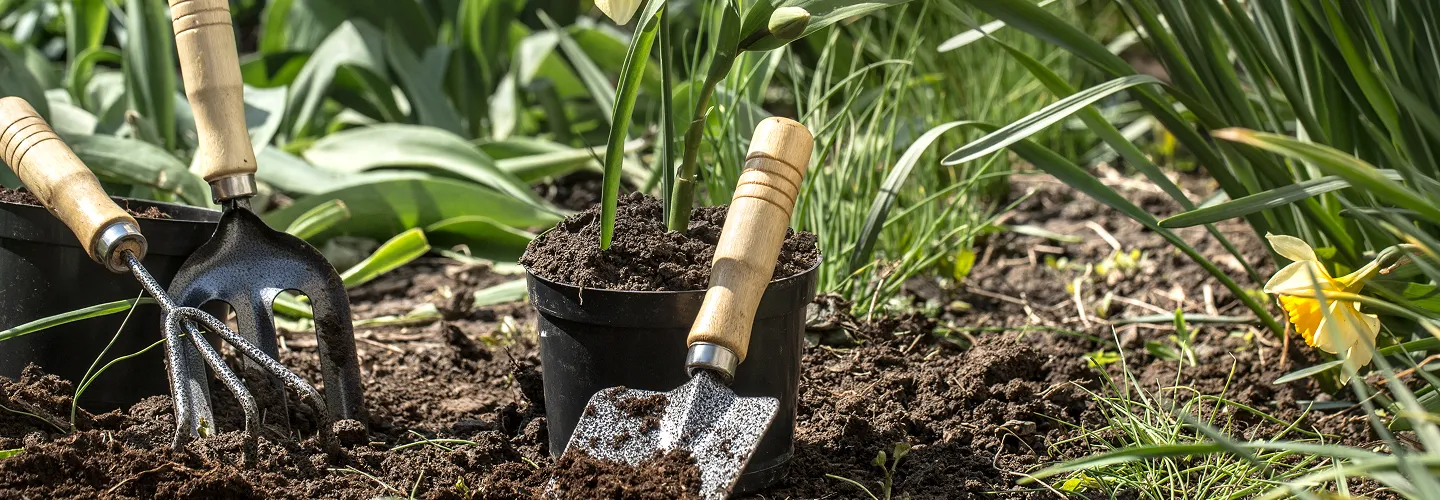
Smyrna Weeding Services
Choose our expert weeding services for a healthier, more vibrant landscape—our skilled team ensures your garden stays pristine, saving you time and effort while promoting plant growth.
Get a Free QuoteOur Smyrna Landscaping & Yard Care Services
When to Schedule Weeding in Smyrna, Georgia – Seasonal Guide
In Smyrna, Georgia, the best times to schedule weeding are closely tied to our region’s unique climate and landscape. Early spring and late fall are optimal, as these periods align with the city’s last frost dates and the onset of cooler temperatures, making weed removal more effective and less labor-intensive. Neighborhoods near Jonquil Park and the Silver Comet Trail often experience varying microclimates, so it’s important to consider local conditions when planning your weeding schedule.
Smyrna’s humid summers and occasional droughts can impact weed growth, especially in shaded yards or areas with clay-heavy soils common in subdivisions like Vinings Estates. Monitoring precipitation patterns and soil moisture is crucial, as excessive rain or dry spells can both influence weed proliferation. For more information on local environmental guidelines, visit the official resource.
Local Factors to Consider for Weeding in Smyrna
- Tree density and shade coverage in your yard
- Soil type (clay, loam, or sandy soils)
- Proximity to water features or flood-prone areas
- Recent precipitation and drought risk
- Municipal restrictions or neighborhood association guidelines
- Terrain slope and drainage patterns
- Seasonal temperature fluctuations and frost dates
Benefits of Weeding in Smyrna
Enhanced Curb Appeal
Healthier Plant Growth
Reduced Pest Infestation
Improved Soil Quality
Professional and Reliable Service
Time and Effort Savings
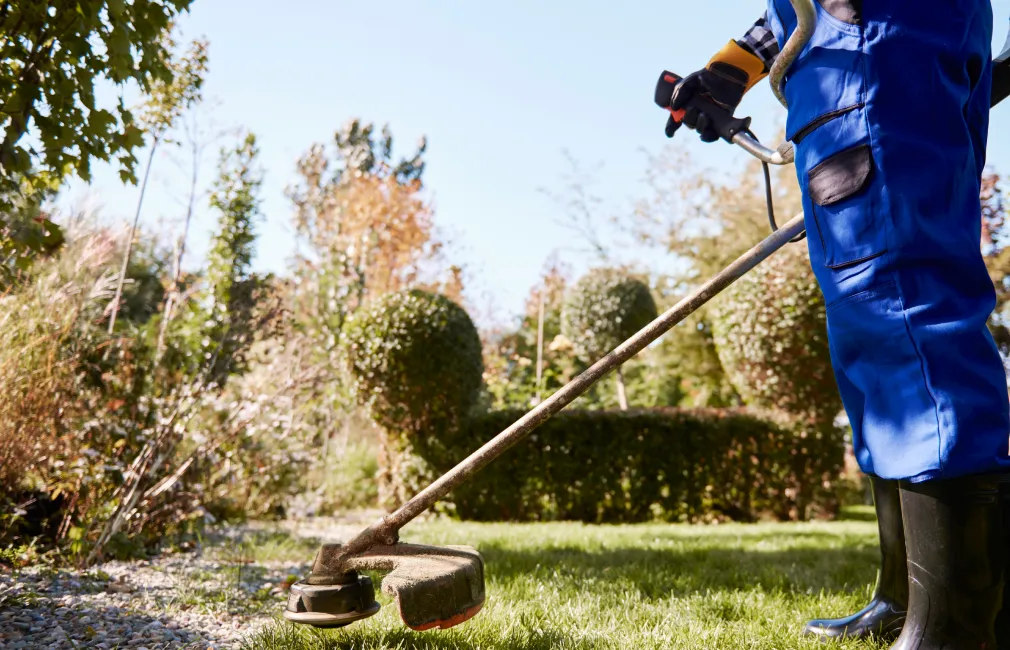
Smyrna Weeding Types

Hand Weeding
-
Mechanical Weeding
-
Chemical Weed Control
-
Mulching for Weed Prevention
-
Flame Weeding
-
Organic Weed Management
-
Pre-Emergent Weed Control
Our Weeding Process
Site Evaluation
Weed Identification
Targeted Removal
Soil Treatment
Final Inspection
Why Choose Smyrna Landscape Services
-
Smyrna Homeowners Trust Us
-
Expert Lawn Maintenance
-
Reliable Scheduling
-
Competitive Pricing
-
Professional Team
-
Satisfaction Guarantee
-
Personalized Service
Smyrna's Piedmont Red Clay Soils and Weed Pressure in Garden Beds
Smyrna, Georgia sits within USDA Plant Hardiness Zone 7b, positioned in the Metro Atlanta Piedmont region where soils are predominantly Cecil and Appling series — dense, acidic red clay with pH levels typically ranging from 5.0 to 6.0. According to the USDA Web Soil Survey, these compacted clay soils retain moisture unevenly, creating conditions that favor opportunistic weed species such as nutsedge, crabgrass, chickweed, and wild violet. Compaction limits root penetration for desirable plants while allowing shallow-rooted annual weeds to establish rapidly in disturbed or bare soil areas. Property owners managing garden beds in Smyrna should be aware that:
- Clay compaction accelerates weed germination in spring when soil temperatures exceed 50°F, typically from late March onward
- Poorly drained low spots in yards are particularly vulnerable to sedge and moisture-tolerant weed species
- Amending soil with organic matter improves drainage and reduces weed establishment over time
- Mulching beds to a depth of 2–3 inches significantly suppresses weed seed germination in clay-heavy soils
UGA Cooperative Extension provides region-specific guidance on weed identification and integrated management strategies suited to Piedmont Georgia conditions.
Optimal Weeding Timing for Smyrna's Long Warm-Season Growth Period
Smyrna's climate, monitored by the National Weather Service Atlanta forecast office, features hot, humid summers with average high temperatures exceeding 90°F from June through August and a frost-free growing season extending approximately 220 days. This extended warm season creates multiple weed germination windows that require structured management throughout the year. Effective weeding in Smyrna follows a seasonal framework:
- Late February – March: Remove winter annual weeds such as henbit, hairy bittercress, and annual bluegrass before they set seed; soil temperatures begin rising above 40°F
- April – May: Target spring flush of crabgrass, spurge, and broadleaf weeds as warm-season growth accelerates; hand-pull or cultivate before root systems establish deeply in clay
- June – August: Prioritize weekly inspection of beds and borders; heat and humidity accelerate weed growth cycles, with some species completing seed-to-seed cycles in under 30 days
- September – October: Address late-season perennial weeds including wild garlic and nutsedge before dormancy; remove seed heads to prevent overwintering seed banks
- November – January: Clear cool-season annual weeds and prepare beds to reduce spring weed pressure
Timing weeding operations to precede seed set is the most effective long-term strategy for reducing weed populations in Smyrna landscapes.
Protecting Smyrna Stormwater Infrastructure During Weed Removal Operations
Smyrna's developed landscape includes numerous stormwater inlets, drainage swales, and detention features managed in part by the Smyrna City Engineer. Weeding operations near these features require care to prevent dislodged plant material, soil, and debris from entering the municipal stormwater system. Under the Clean Water Act and the EPA NPDES Program, municipalities are required to manage stormwater quality, and residents share responsibility for preventing pollutant discharge from private property. Practical precautions during weeding near drainage features include:
- Keep pulled weeds and root debris contained in bags or bins; do not pile material adjacent to storm drains or drainage swales
- Avoid weeding during or immediately before heavy rainfall events, which can carry loose soil and organic debris into inlets
- Do not dispose of weed material in drainage ditches, creek corridors, or detention pond edges
- Invasive species removed from creek-adjacent areas should be bagged and disposed of through solid waste collection, not composted on-site
The Georgia EPD Watershed Protection Branch provides guidance on protecting local water quality from nonpoint source pollution, which includes organic debris and sediment from residential landscaping activities.
Smyrna City Engineer
166 Sam Sheppard Drive, Smyrna, GA 30080
Official Website: Smyrna City Engineer
Nuisance Vegetation Ordinances and Weed Height Standards in Smyrna
Smyrna's municipal code addresses nuisance vegetation on private property, and property owners are responsible for maintaining lots free of overgrown weeds and rank vegetation that may constitute a public nuisance or code violation. The Smyrna Community Development department oversees code compliance and development standards, while the Smyrna Planning & Zoning Division administers land use regulations that may affect frontage and right-of-way maintenance expectations. Key compliance considerations include:
- Grass and weeds on residential lots are generally required to be maintained below a threshold height; property owners should verify current standards with the city's code enforcement office
- Overgrown lots adjacent to public rights-of-way may be subject to city abatement and cost recovery procedures
- Vacant lots and properties undergoing renovation are subject to the same vegetation maintenance standards as occupied properties
- Weed growth that obstructs sightlines at intersections or along sidewalks may trigger separate safety-related code provisions
Property owners who receive a code notice related to vegetation overgrowth should address the condition promptly and document corrective action. Confirm current ordinance thresholds directly with Smyrna's code compliance staff.
Smyrna Community Development
166 Sam Sheppard Drive, Smyrna, GA 30080
Official Website: Smyrna Community Development
Georgia Pesticide Licensing Rules for Professional Herbicide Application
When weeding services in Smyrna involve the application of herbicides or other chemical weed control products, Georgia law requires that applicators hold appropriate licensing under the Georgia Pesticide Use and Application Act of 1976. The Georgia Department of Agriculture – Licensing, Certification and Employee Registration administers pesticide applicator licensing for commercial operators. Property owners hiring professional weeding services that include herbicide application should verify that the contractor holds a valid Georgia pesticide applicator license. Key regulatory points include:
- Commercial pesticide applicators must be licensed in the appropriate category; ornamental and turf is the relevant category for most residential weeding and bed management work
- Unlicensed herbicide application for hire is a violation of Georgia law
- Label compliance is legally required; herbicides must be applied only to labeled target sites and at labeled rates
- Applicators working near Smyrna's creek corridors, detention ponds, or stormwater features must observe label restrictions regarding aquatic buffer zones
The Georgia Department of Agriculture – Agricultural Pest Control page provides additional guidance on pesticide use standards applicable to professional landscape operations throughout Georgia.
Invasive Weed Species Pressure Near Smyrna's Parks and Greenway Corridors
Smyrna's parks system, administered by Smyrna Parks & Recreation, includes wooded corridors, trail edges, and green spaces where invasive plant species are known to spread into adjacent residential properties. Properties bordering Smyrna's greenways, wooded buffers, and creek corridors — including areas near Jonquil Park, the Silver Comet Trail access points, and Taylor-Brawner Park — face elevated pressure from invasive weeds that migrate from naturalized areas. According to UGA Extension – Invasive Species, common invasive species affecting Metro Atlanta Piedmont properties include:
- Japanese honeysuckle (Lonicera japonica): Aggressive vine that overtops shrubs and garden beds along wooded edges
- English ivy (Hedera helix): Spreads from wooded corridors into cultivated beds; difficult to eradicate once established
- Kudzu (Pueraria montana): Rapid-growing vine found along disturbed edges and right-of-way margins
- Chinese privet (Ligustrum sinense): Woody invasive shrub that seeds prolifically from adjacent naturalized areas
- Japanese stiltgrass (Microstegium vimineum): Annual grass that establishes in shaded, moist areas near stream corridors
Removal of invasive species should occur before seed set, and root systems must be fully extracted to prevent regrowth. Disposal should follow solid waste guidelines rather than on-site composting to prevent reinfestation.
Keep Smyrna Beautiful & Environmental Services
166 Sam Sheppard Drive, Smyrna, GA 30080
Official Website: Keep Smyrna Beautiful & Environmental Services
What Neighborhoods Do We Serve Throughout Smyrna, GA?
Weeding services are provided across Smyrna's diverse residential neighborhoods, each presenting distinct site conditions that influence weed pressure, soil behavior, and management approach:
- Vinings: Established neighborhood with mature tree canopy and wooded lot edges; shade-tolerant weeds including wild violet, ground ivy, and English ivy are common in beds beneath large hardwoods.
- King Springs: Older subdivision with compacted Cecil clay soils and mixed sun/shade conditions; nutsedge and crabgrass are persistent in lawn borders and garden beds.
- Belmont Hills: Hillside lots with variable drainage and slope; erosion-prone areas along grade changes are susceptible to opportunistic weed colonization following rain events.
- Jonquil Estates: Proximity to Jonquil Park and wooded greenway edges increases invasive species pressure, particularly Japanese honeysuckle and privet seedlings migrating from naturalized buffers.
- Spring Hill: Newer subdivision development with fill soils and disturbed ground; annual weeds including spurge, pigweed, and crabgrass establish aggressively in recently graded areas.
- Oakdale Estates: Established residential area with mature landscaping; perennial weeds including wild garlic and nutsedge require consistent seasonal management to prevent spread across bed borders.
- Smyrna Village / Downtown Corridor: Mixed residential and commercial frontage with right-of-way maintenance expectations; weed management along sidewalk edges and public-facing beds is subject to city code standards.