
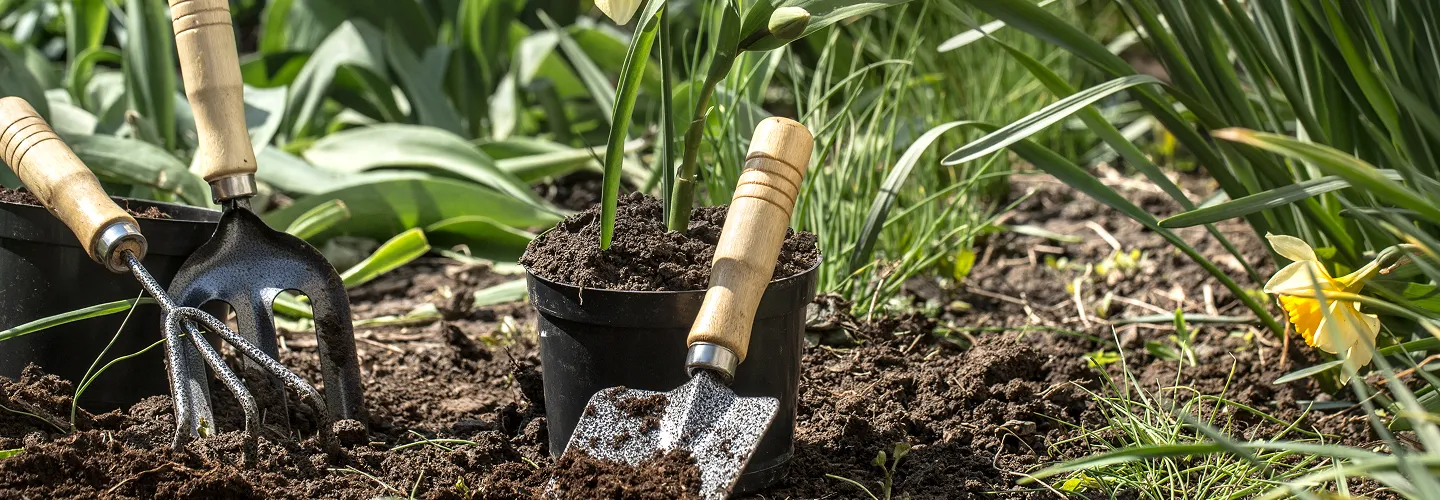
Smyrna Lawn Edging Services
Choose our expert lawn edging for a polished, professional look that enhances curb appeal, prevents grass overgrowth, and makes yard maintenance easier than ever.
Get a Free QuoteOur Smyrna Landscaping & Yard Care Services
When to Schedule Lawn Edging in Smyrna, Georgia – Seasonal Guide
In Smyrna, Georgia, the best times to schedule lawn edging are typically in early spring and late fall. These periods align with the region’s moderate temperatures and consistent rainfall, which help grass recover quickly from edging and promote healthy regrowth. Smyrna’s climate, characterized by humid summers and mild winters, means that edging during the peak of summer heat or the coldest winter months can stress your lawn. Neighborhoods near Jonquil Park or along Atlanta Road often experience varying shade coverage and soil types, which can influence the ideal timing for lawn care services.
Local environmental factors such as the last frost date—usually in late March—and the risk of summer droughts should be considered when planning your lawn edging. Areas with dense tree coverage, like those near the Silver Comet Trail, may require more frequent edging due to increased leaf litter and shade. For more information on local landscaping guidelines, you can refer to municipal resources.
Local Factors to Consider for Lawn Edging in Smyrna
- Tree density and shade coverage
- Soil composition and drainage
- Seasonal precipitation patterns
- Proximity to landmarks or wooded areas
- Municipal restrictions or neighborhood association guidelines
- Terrain and slope of your property
Benefits of Lawn Edging in Smyrna
Enhanced Curb Appeal
Professional Installation
Long-Lasting Materials
Weed and Grass Control
Custom Design Options
Low Maintenance Solutions
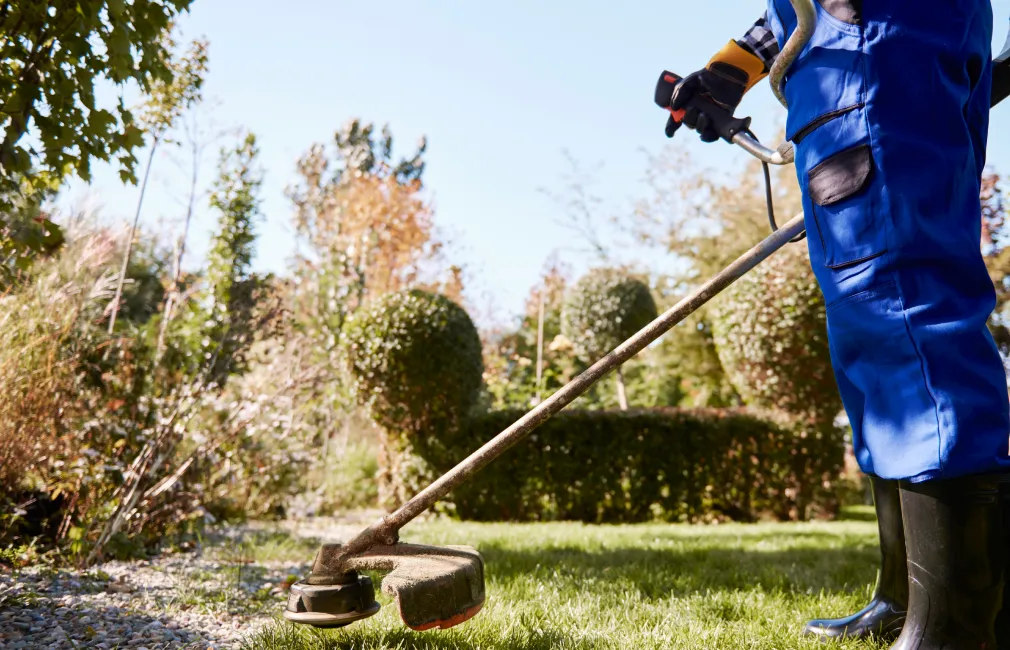
Smyrna Lawn Edging Types

Brick Lawn Edging
-
Stone Landscape Borders
-
Metal Garden Edging
-
Plastic Lawn Edging
-
Concrete Curbing
-
Wooden Landscape Edging
-
Rubber Lawn Borders
Our Lawn Edging Process
Site Evaluation
Marking Edges
Cutting the Edge
Debris Removal
Final Inspection
Why Choose Smyrna Landscape Services
-
Smyrna Homeowners Trust Us
-
Expert Lawn Maintenance
-
Reliable Scheduling
-
Competitive Pricing
-
Professional Team
-
Satisfaction Guarantee
-
Personalized Service
Lawn Edging Timing and Smyrna's Warm-Season Turf Growth Cycle
Smyrna, Georgia falls within USDA Hardiness Zone 7b, where warm-season grasses such as bermudagrass, zoysiagrass, and centipedegrass dominate residential lawns. These turf varieties enter active growth between late April and early May, when soil temperatures consistently exceed 65°F, and remain vigorous through September. Lawn edging is most effective and visually impactful during this active growth window, when turf spreads aggressively along sidewalks, driveways, and bed borders. Recommended edging frequency during peak season is every 10 to 14 days. Key timing considerations include:
- April–May: Begin edging as bermudagrass and zoysia break dormancy; establish clean lines before lateral spread accelerates
- June–August: Increase frequency to every 10 days during peak growth; heat and humidity accelerate turf encroachment
- September–October: Taper frequency as growth slows; final clean edge before dormancy helps define turf boundaries through winter
- November–March: Dormant season; edging is generally unnecessary unless addressing hardscape encroachment
UGA Cooperative Extension provides warm-season turf management calendars specific to the Georgia Piedmont region that can assist property owners in aligning edging schedules with local growth patterns.
Smyrna's Piedmont Red Clay Soils and Edging Depth Considerations
Smyrna sits within the Georgia Piedmont, where soils are predominantly Cecil and Appling series — dense, red clay-based Ultisols with limited drainage capacity and significant compaction potential in developed areas. According to the USDA Web Soil Survey, these soils have a naturally acidic pH ranging from 5.0 to 6.0 and become extremely hard when dry during summer drought periods. These conditions directly affect lawn edging technique and equipment selection:
- Rotary and stick edgers may struggle to penetrate dry, compacted clay along hardscape edges; edging after rainfall or irrigation improves cut quality
- Edging depth along sidewalks and driveways should be maintained at approximately 2 to 3 inches to prevent turf rhizomes from bridging over the cut
- Compacted fill soils common in newer Smyrna subdivisions may require more frequent edging passes, as shallow root systems spread laterally rather than vertically
- Avoid edging during drought stress when clay soils are cracked; disturbing the soil edge during extreme dryness can accelerate erosion along bed margins
Property owners in areas with heavy clay fill should verify subsurface utility locations before using manual spade edgers, as shallow utility lines are common in older Smyrna neighborhoods.
Protecting Smyrna Stormwater Infrastructure During Lawn Edging Operations
Smyrna's stormwater system includes a network of inlets, drainage swales, and detention features that connect to local waterways including Nickajack Creek and its tributaries. Lawn edging operations that displace soil, turf clippings, or debris near curb lines and storm drain inlets can contribute to sediment loading in the municipal stormwater system, which is regulated under the EPA NPDES Program and the Clean Water Act. The Georgia EPD Watershed Protection Branch oversees water quality standards applicable to urban runoff in Cobb County. Responsible edging practices near drainage infrastructure include:
- Sweep or blow edging debris away from curb lines and storm drain inlets immediately after cutting
- Do not allow loose soil or turf clippings to accumulate in gutters or drainage swales
- Avoid edging within 10 feet of open drainage channels or detention pond banks without erosion controls in place
- Bag or compost edging debris rather than allowing it to wash into the street
Smyrna City Engineer
166 Sam Shue Road, Smyrna, GA 30080
Official Website: Smyrna City Engineer
Right-of-Way Edging Standards and Smyrna Code Compliance
Smyrna property owners are responsible for maintaining the turf and vegetation within the public right-of-way adjacent to their property, including the strip between the sidewalk and the curb. Failure to maintain this area in a neat and orderly condition may constitute a code violation under the city's property maintenance standards. Edging along right-of-way areas requires particular attention to the following:
- Sidewalk edges: Maintain a clean, vertical cut along both the street-side and property-side edges of public sidewalks; overgrown turf that encroaches onto walking surfaces creates trip hazards and may trigger code enforcement action
- Curb lines: Turf encroaching over the curb face can obstruct drainage flow and is subject to city maintenance standards
- Visibility triangles: At intersections and driveway aprons, turf and vegetation must not obstruct sightlines; edging and trimming in these zones is a safety requirement, not merely aesthetic
The Smyrna Community Development department oversees code compliance and property maintenance standards. Property owners uncertain about right-of-way boundaries or maintenance obligations should consult the Smyrna Planning & Zoning Division to confirm parcel-specific frontage requirements.
Smyrna Community Development
166 Sam Shue Road, Smyrna, GA 30080
Official Website: Smyrna Community Development
Keep Smyrna Beautiful and Edging Debris Disposal Guidance
Lawn edging generates turf clippings, soil, and organic debris that must be managed in compliance with Smyrna's environmental services guidelines. The city's Keep Smyrna Beautiful & Environmental Services program promotes responsible yard waste handling as part of the city's broader sustainability and litter prevention initiatives. Edging debris disposal options and requirements include:
- Composting on-site: Turf clippings and soil from edging operations may be composted in a designated backyard compost area; this is the preferred method for small volumes
- Yard waste collection: Smyrna's sanitation program collects bagged yard waste; edging debris should be placed in biodegradable paper bags or designated containers — verify current collection days and container requirements with the Smyrna Public Works Department
- Do not blow debris into streets: Depositing edging clippings or soil into the roadway or storm drain system is prohibited and may result in a code violation
- Large-volume debris: For commercial properties or large-scale edging projects generating significant debris, confirm disposal options directly with Public Works
Keep Smyrna Beautiful & Environmental Services
166 Sam Shue Road, Smyrna, GA 30080
Official Website: Keep Smyrna Beautiful & Environmental Services
Smyrna Public Works Department
166 Sam Shue Road, Smyrna, GA 30080
Official Website: Smyrna Public Works Department
What Neighborhoods Do We Serve Throughout Smyrna, GA?
- Vinings: A mixed residential and commercial corridor adjacent to the Chattahoochee River, where mature bermudagrass and zoysia lawns along sloped lots require precise edging to manage turf encroachment on stone and brick hardscapes common in this established area.
- King Springs: A well-established neighborhood with older subdivision lots featuring compacted Cecil clay soils and mature tree canopy; edging along shaded bed borders requires attention to moss and turf transition zones.
- Belmont Hills: A densely developed area with smaller lot sizes and active HOA frontage standards; consistent edging along sidewalks and driveways is essential for code and HOA compliance.
- Jonquil Estates: A residential area near Jonquil Park with a mix of lot sizes; proximity to park greenways means edging debris management near drainage paths is a practical consideration.
- Spring Road Corridor: A transitional zone with both older homes and newer infill development; fill soils in newer lots affect edging depth and equipment performance along hardscape edges.
- Oakdale Estates: A mature neighborhood with established warm-season turf and significant lateral spread pressure from bermudagrass along driveways and walkways during the summer growth period.